Contents
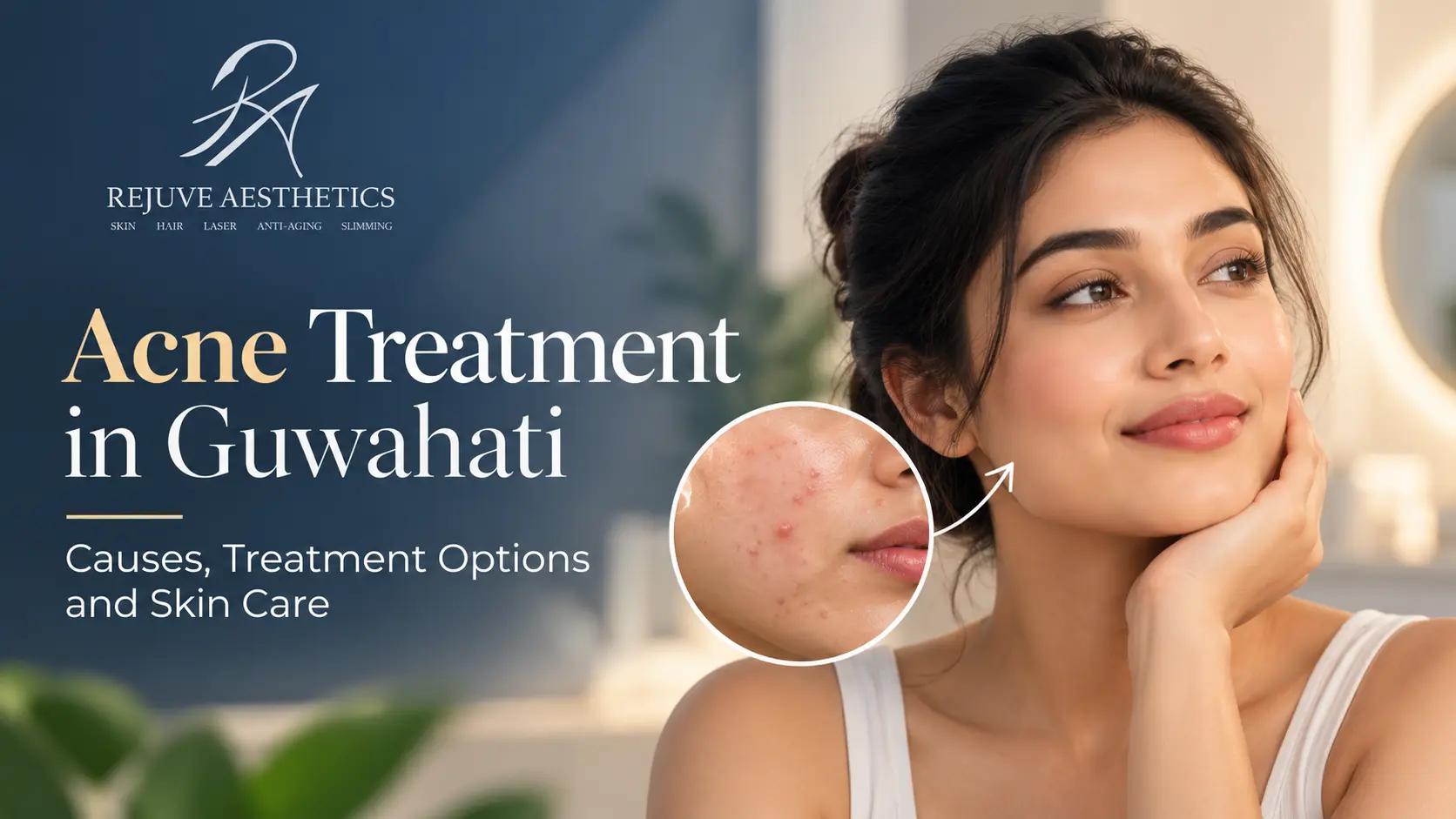
Acne is a common skin condition that affects people of different ages. While some people experience occasional pimples, others deal with recurring breakouts that persist despite using face washes, home remedies, and over-the-counter skincare products.
Understanding the underlying cause of acne is an important step towards managing it. The right approach depends on the type of acne, its severity, skin type, and any contributing factors.
This guide explains what causes acne, why it may persist, the treatment options available, and what to know before seeking an acne consultation in Guwahati.
Why Do People Get Acne?
Acne develops when hair follicles become clogged with excess oil (sebum) and dead skin cells. Inflammation and the activity of Cutibacterium acnes, a bacterium naturally found on the skin, can contribute to the development of acne lesions.
Common factors associated with acne include:
- Hormonal changes: Fluctuations during puberty, menstruation, pregnancy, and certain hormonal conditions can influence oil production.
- Excess oil production: Increased sebum can contribute to clogged pores.
- Genetics: A family history of acne may increase the likelihood of developing the condition.
- Stress: Stress may aggravate existing acne in some individuals.
- Skincare and cosmetic products: Certain products may clog pores or irritate the skin.
- Medications: Some medicines can trigger or worsen acne.
- Environmental conditions: Heat, humidity, sweat, and friction may aggravate breakouts in susceptible individuals.
Guwahati's humid climate may contribute to discomfort and excess sweating, particularly during warmer months. However, humidity alone does not cause acne. A combination of individual skin characteristics and other contributing factors usually determines whether breakouts develop.
Why Does Acne Sometimes Keep Coming Back?
Recurring acne can have several causes. A product that works for one person may not provide the same results for another because acne varies in severity, underlying triggers, and response to treatment.
For example, a cleanser may help remove excess oil and impurities but may not be sufficient to manage inflammatory or hormonally influenced acne. Similarly, frequently changing skincare products can irritate the skin and make it harder to identify what is helping.
Persistent acne may require a structured treatment plan that addresses both existing breakouts and the factors contributing to new ones.
A qualified medical practitioner can assess the type and severity of acne, review relevant medical history, and determine whether prescription medication or other treatments may be appropriate.
What Are the Different Types of Acne?
Identifying the type of acne helps guide treatment selection.
1. Blackheads and Whiteheads
These are known as comedonal acne. Blackheads form when clogged pores remain open, while whiteheads develop when the opening is closed. They are generally considered non-inflammatory forms of acne.
2. Papules and Pustules
Papules are small, inflamed red bumps. Pustules are similar but contain visible pus. Picking or squeezing these lesions can increase inflammation and the risk of marks or scarring.
3. Nodular Acne
Nodules are firm, painful lesions that develop deeper beneath the skin. They may require prescription treatment to reduce inflammation and help prevent permanent scarring.
4. Cystic or Severe Inflammatory Acne
Severe acne can involve deep, painful lesions and a greater risk of scarring. A medical assessment is important because over-the-counter products alone may not adequately manage these cases.
What Are the Treatment Options for Acne?
Acne treatment depends on the type of lesions, their severity, previous treatments, and individual medical circumstances. Options may include topical medication, oral medication, and selected in-clinic procedures.
Medical Consultation and Topical Treatments
A medical assessment can help determine whether ingredients such as benzoyl peroxide, topical retinoids, or azelaic acid may be suitable.
The choice of treatment depends on the individual's skin and medical history. Some products can cause dryness, irritation, or increased sensitivity, so they should be introduced appropriately.
Chemical Peels
Selected chemical peels may help manage certain forms of acne and clogged pores. The appropriate peel and its concentration depend on the person's skin condition and sensitivity.
Chemical peels are not suitable for everyone and should be performed following an appropriate assessment by a qualified professional.
Medical-Grade Facials
Certain professional facial treatments may help cleanse the skin and remove surface impurities. They should be considered supportive skincare rather than a replacement for evidence-based acne treatment, particularly when acne is moderate or severe.
Oral Medication
For some individuals, oral medication may be appropriate when acne is extensive, persistent, or associated with a significant risk of scarring.
The medication prescribed depends on the clinical assessment. Some treatments require monitoring and specific precautions, particularly during pregnancy or when pregnancy is possible.
Laser and Light-Based Procedures
Selected laser or light-based procedures may be considered in specific acne cases. Their suitability depends on the type of acne, skin characteristics, and the intended treatment outcome.
These procedures are not interchangeable, and results vary. A practitioner should explain the potential benefits, limitations, risks, and alternatives before treatment.
Hydrafacial and Deep-Cleansing Procedures
Hydrafacial-style treatments focus on cleansing and hydrating the skin. They may be suitable for some skincare needs, but they are not a substitute for medical treatment of persistent inflammatory acne.
Anyone with active, irritated, or severe acne should seek an assessment before undergoing a facial procedure.
How Is Acne Evaluated at Rejuve Aesthetics in Guwahati?
An acne consultation at Rejuve Aesthetics can help determine which treatment options may be appropriate for an individual's skin condition.
The assessment may consider:
- The type, distribution, and severity of acne.
- Skin type and sensitivity.
- Previous skincare products and treatments.
- Possible hormonal or medication-related contributing factors.
- The presence of acne marks or established scars.
- Medical history and any relevant treatment precautions.
Depending on the assessment, the treatment plan may involve medical skincare, prescription treatment where indicated, or selected procedures.
Services listed by the clinic include medical-grade facials. The availability and suitability of individual procedures should be confirmed with the clinic before treatment.
Treatment selection should be based on clinical needs rather than a single approach being used for every patient.
Can Acne Scars Also Be Treated?
Acne scars and active acne are different concerns and may require different approaches.
Active acne should generally be brought under control before many scar-focused procedures are considered. This helps reduce the risk of further inflammation and new scarring.
Treatment options for established scars depend on their type, depth, skin characteristics, and medical suitability. Depending on the assessment, options may include selected chemical peels, microneedling, or other skin-resurfacing procedures.
Not all acne marks are permanent scars. Flat red, brown, or dark marks left after a breakout may gradually fade, whereas depressed or raised scars can be more persistent.
A skin assessment can help distinguish between these concerns and determine suitable management options. Further information is available in this guide to acne scar treatment in Guwahati.
How Long Does Acne Treatment Take?
The time needed to see improvement varies according to acne severity, treatment choice, and individual response.
Some people begin noticing changes after several weeks, while more persistent or severe acne may require several months of consistent treatment. Prescription treatments may need adjustments during follow-up consultations.
It is important to use treatments as directed, avoid introducing too many active ingredients at once, and attend follow-up appointments when recommended.
Acne treatment does not always prevent every future breakout, and no particular procedure can guarantee a specific result.
Daily Skin Care Tips for Acne-Prone Skin
A consistent skincare routine can support acne management alongside appropriate medical treatment.
- Cleanse gently: Wash your face with a mild cleanser, generally twice daily and after excessive sweating.
- Choose suitable moisturisers: Look for non-comedogenic products that are less likely to clog pores.
- Use sun protection: Apply a broad-spectrum sunscreen with SPF 30 or higher, particularly when using treatments that increase sun sensitivity.
- Avoid picking pimples: Squeezing lesions can worsen inflammation and increase the risk of scarring.
- Introduce products gradually: Avoid combining multiple irritating active ingredients without appropriate guidance.
- Track recurring triggers: Note whether particular products, friction, or other circumstances appear to aggravate your breakouts.
If acne is painful, persistent, or beginning to leave scars, seek medical advice rather than repeatedly experimenting with new products.
Understanding Acne Care at Rejuve Aesthetics
Rejuve Aesthetics provides aesthetic and skincare services in Guwahati. Its treatment information includes medical-grade facials, while its website also provides educational information about skincare services.
Individuals considering acne care should confirm the qualifications of the treating practitioner, the services available, and whether the proposed treatment is appropriate for their particular condition.
A consultation should include a discussion of the expected course of treatment, possible side effects, alternatives, and the importance of follow-up care.
Final Thoughts
Acne is a common skin condition, but persistent or severe breakouts can affect comfort, confidence, and skin health. Understanding the cause and selecting appropriate treatment can help manage active acne and reduce the risk of lasting scars.
A gentle skincare routine may help with everyday care, while recurring, painful, or scarring acne may require medical assessment.
For individuals seeking acne care in Guwahati, a consultation can help clarify the available treatment options and establish a plan based on individual skin needs.
Related Skin Care Services
Explore the following resources for additional information:
- Medical-Grade Facials
- Acne Scar Treatment in Guwahati
- Hydrafacial in Guwahati
- Skin Tightening Treatments
Medical information in this article is intended for general educational purposes and is not a substitute for an individual medical assessment.
Rejuve Aesthetics
Medical-grade expertise delivered with a passion for holistic aesthetic wellness and skin health. We are dedicated to providing evidence-based insights and treatments to support skin health and confidence.