Contents
Loose skin on the face and neck is a common concern as we age. Changes in collagen and elastin can gradually affect skin firmness, jawline definition, and the appearance of the neck. While skincare products can help maintain skin health, they may not significantly improve more pronounced skin laxity.
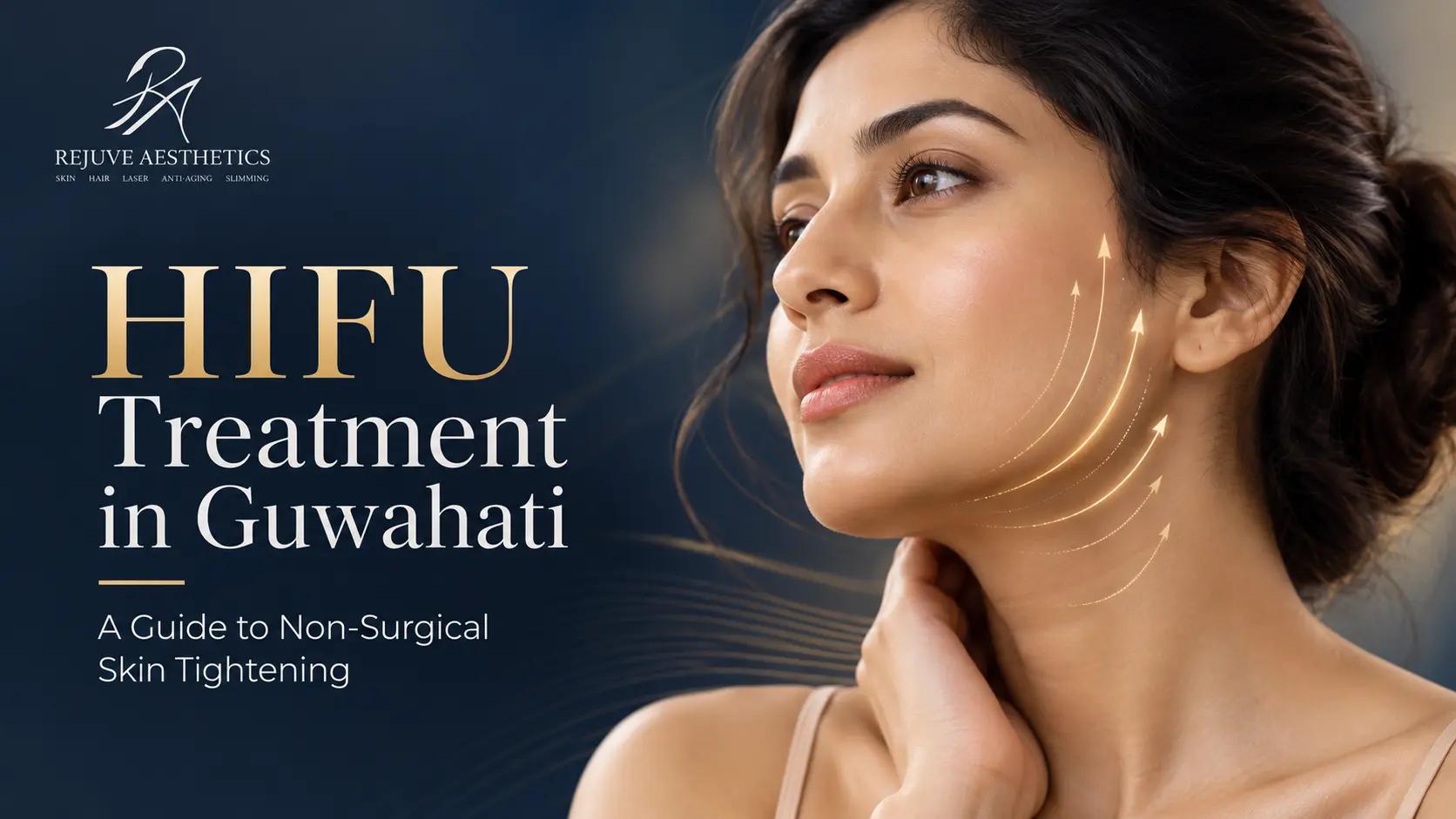
High-Intensity Focused Ultrasound (HIFU) is one treatment option for people exploring non-surgical skin tightening. It uses focused ultrasound energy to heat targeted tissue beneath the skin, stimulating a natural healing response.
If you are researching HIFU treatment in Guwahati, this guide explains how the procedure works, which areas it may address, what to expect during treatment, and the factors to consider before consulting a qualified medical professional.
What Is HIFU Treatment?
HIFU stands for High-Intensity Focused Ultrasound. It is a non-surgical aesthetic procedure that uses concentrated ultrasound energy to heat specific tissue at selected depths beneath the skin.
This controlled heating can stimulate collagen remodelling. Collagen is a structural protein that helps maintain the skin's firmness and elasticity. As the body's response develops over time, some individuals may notice improvements in skin tightness and facial contour.
HIFU is sometimes described as a non-surgical facelift. However, it is important to understand that the procedure does not produce the same results as surgical facial lifting. Outcomes depend on factors such as skin laxity, age, treatment area, device technology, and individual response.
How Is HIFU Different From Other Skin Tightening Treatments?
Different skin tightening treatments use different technologies and work at different depths.
- Topical creams and serums: These products primarily support the skin's surface, hydration, and texture. Their ability to address significant sagging is limited.
- Radiofrequency treatments: These use electrical energy to generate heat in targeted tissue and may help improve skin firmness, depending on the technology used.
- HIFU: This uses focused ultrasound energy to deliver heat to selected tissue depths, with the aim of stimulating collagen remodelling.
No single treatment is suitable for everyone. The choice depends on the individual's concerns, skin condition, medical history, and desired outcome. A consultation can help determine which approach is appropriate.
What Areas Can HIFU Treat?
Depending on the device, its approved or intended use, and the treatment plan, HIFU may be considered for selected areas of the face and neck.
Common treatment areas include:
- Forehead and brow area
- Cheeks and lower face
- Jawline
- Skin beneath the chin
- Neck
Some HIFU technologies are also designed for specific body areas. The areas that can be treated safely vary by device, and not every device is suitable for every part of the body.
A medical assessment is important to determine whether HIFU is appropriate for the area being treated.
What Happens During a HIFU Session?
A HIFU session generally begins with an assessment of the skin, the areas of concern, and the individual's medical history. The treating professional should explain the expected benefits, limitations, possible side effects, and alternative treatment options.
If treatment is appropriate, the skin is prepared according to the device's instructions. A suitable ultrasound gel may be applied to help the device maintain contact with the skin.
The practitioner then delivers focused ultrasound energy to the selected treatment areas. Depending on the device and treatment plan, the procedure may involve multiple passes at different depths.
Some people experience warmth, tingling, prickling, or brief discomfort during treatment. The duration varies according to the device, the areas being treated, and the number of treatment points required.
Patients should receive clear aftercare instructions before leaving the clinic.
Does HIFU Hurt? Is There Any Downtime?
The level of discomfort varies from person to person. Some individuals experience mild sensations, while others may feel more noticeable discomfort, particularly around the jawline or other sensitive areas.
HIFU generally does not require the recovery period associated with surgery. However, minimal downtime does not mean that side effects are impossible.
Possible temporary effects include:
- Redness
- Mild swelling
- Tenderness or sensitivity
- Tingling or altered sensation
Less common complications can include bruising, burns, nerve-related symptoms, or unwanted changes in the skin or underlying tissue. The risks depend on the device, the treatment technique, and individual factors.
Anyone considering HIFU should discuss these risks with the treating professional and follow the recommended aftercare instructions.
When Will HIFU Results Become Visible?
HIFU results are generally gradual rather than immediate. Some people may notice an early change in skin appearance, but the effects of collagen remodelling develop over time.
Visible improvement may emerge over approximately two to three months, although the timeline varies. Not everyone experiences a noticeable lifting effect, and the degree of improvement cannot be guaranteed.
HIFU may be more suitable for people seeking a modest improvement in mild to moderate skin laxity than for those expecting a dramatic change in facial contours.
A consultation should include a realistic discussion of the likely outcome based on the individual's skin condition.
How Long Can HIFU Results Last?
The duration of HIFU results varies according to the device, treatment protocol, individual response, and natural ageing process.
Some individuals may experience improvements that persist for several months or longer. However, a fixed duration cannot be promised, and the treatment does not stop the natural ageing process.
Repeat treatment should not be assumed to be necessary every year. The timing of any additional session should be determined through an appropriate clinical assessment, taking into account the previous treatment and the condition of the skin.
HIFU Treatment at Rejuve Aesthetics, Guwahati
Rejuve Aesthetics provides aesthetic treatment services in Guwahati, including skin-related procedures. Individuals considering HIFU can enquire about the technology used at the clinic, the professional responsible for the procedure, and the assessment process followed before treatment.
Before proceeding, it is reasonable to ask about:
- The make and model of the HIFU device
- Whether the device is authorised or cleared for the intended use
- The training and qualifications of the treating professional
- The potential risks and contraindications
- Expected outcomes and alternative treatments
- The aftercare and follow-up process
The suitability of a treatment should be established through an individual assessment rather than assumed from a general description of the procedure.
Information about the clinic and its services is available at Rejuve Aesthetics.
Is HIFU Right for You?
HIFU may be considered by adults with mild to moderate skin laxity who are exploring non-surgical treatment options. It is not suitable for every person or every type of skin concern.
Individuals with substantial skin sagging may require a different approach. A medical professional should also assess relevant medical conditions, skin problems, implanted devices, and other factors that could affect treatment suitability.
Before deciding, consider the following questions:
- What improvement am I hoping to achieve?
- Is my concern related to skin laxity, volume loss, or another issue?
- What benefits and limitations apply to the specific device?
- What side effects could occur?
- Are there other treatments that may be more appropriate?
These questions can help support an informed discussion about treatment options.
Final Thoughts
HIFU is a non-surgical aesthetic procedure that uses focused ultrasound energy to stimulate collagen remodelling in selected tissue layers. It may help improve the appearance of mild to moderate skin laxity in suitable individuals, although results vary and cannot be guaranteed.
Anyone considering HIFU treatment in Guwahati should understand the technology being used, the qualifications of the treating professional, the possible risks, and the expected limitations before proceeding.
A consultation with an appropriately qualified medical professional can help determine whether HIFU or another treatment is suitable for your individual skin concerns.
Medical information note: This article is intended for general educational purposes and is not a substitute for individual medical advice.
Rejuve Aesthetics
Medical-grade expertise delivered with a passion for holistic aesthetic wellness and skin health. We are dedicated to providing evidence-based insights and treatments to support skin health and confidence.
Common Questions
1. What is HIFU treatment?
HIFU, or High-Intensity Focused Ultrasound, is a non-surgical aesthetic treatment that uses focused ultrasound energy to target deeper tissue layers and stimulate collagen production, helping improve the appearance of mild to moderate skin laxity.
2. Is HIFU treatment painful?
HIFU can cause warmth, tingling or brief discomfort during treatment. The experience varies depending on the treatment area, individual sensitivity and the device and settings used.
3. How long does HIFU treatment take?
Treatment time depends on the areas being treated. A face or face-and-neck session may take approximately 30 to 90 minutes, although the actual duration varies according to the treatment plan.
4. When will I see results from HIFU?
Some people notice an early improvement, but HIFU results generally develop gradually as collagen remodeling takes place. Further improvement may become visible over the following weeks and months.
5. How long do HIFU results last?
The duration of results varies from person to person. Factors such as age, skin laxity, lifestyle and treatment protocol can affect how long the improvement remains visible.
6. Who is HIFU suitable for?
HIFU is generally considered for people with mild to moderate skin laxity who want a non-surgical treatment option. A consultation is important to determine whether it is appropriate for an individual.