Contents
Guwahati's climate, dust, sun exposure, and seasonal air pollution may contribute to skin concerns such as dryness, clogged pores, tanning, uneven tone, and dullness. However, these concerns can have different causes, and the most appropriate approach depends on an individual's skin condition and medical history.
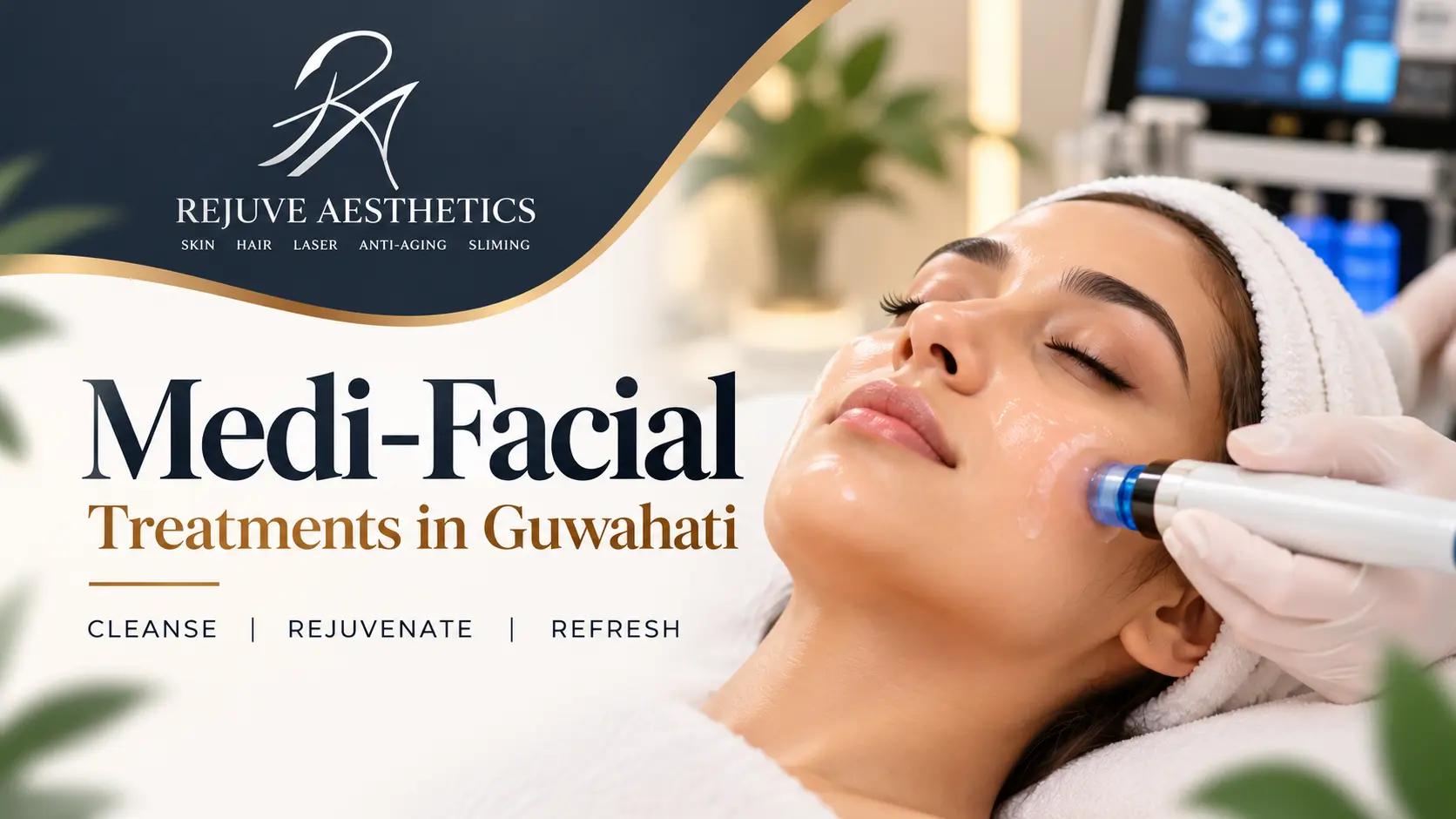
Medi-facials are skin treatments that may combine cleansing, exfoliation, specialised devices, and topical products. Depending on the procedure, they may help address selected concerns related to skin texture, congestion, or hydration.
If you are researching medi-facial treatments in Guwahati, this guide explains the common treatment types, their potential uses and limitations, and what to consider before choosing a clinic.
What Is a Medi-Facial?
The term medi-facial is commonly used to describe facial treatments performed in a clinical or aesthetic setting. It is not a single standardised medical procedure. The equipment, products, techniques, and level of medical supervision can vary between providers.
Depending on the treatment, a medi-facial may involve cleansing, exfoliation, hydration, extraction of clogged pores, light-based devices, or other skin procedures.
A medi-facial may differ from a conventional salon facial in several ways:
- Treatment selection: Procedures may be selected according to a person's skin concerns and tolerance.
- Specialised equipment: Some treatments use hydrodermabrasion devices, LED systems, or other equipment.
- Active ingredients: Products may contain ingredients selected for concerns such as dryness, congestion, or uneven pigmentation.
- Clinical assessment: Some procedures require assessment by an appropriately qualified medical practitioner, particularly when they involve needles, lasers, intense pulsed light, or blood-derived products.
Not every medi-facial uses advanced technology, and more equipment does not automatically mean better results. The suitability of each procedure should be assessed individually.
Types of Medi-Facials and Skin Treatments
The names used for facial treatments can vary between clinics. Before booking, ask for the exact procedure, products, devices, and qualifications of the person performing it.
1. HydraFacial and Hydrodermabrasion
HydraFacial is a branded treatment, while hydrodermabrasion is a broader category of device-based skin treatments. Depending on the system used, these procedures may combine cleansing, exfoliation, suction-assisted extraction, and application of topical solutions.
Potential uses may include improving the appearance of surface congestion, temporarily hydrating the skin, and making the skin feel smoother.
Results vary, and the procedure may not be appropriate for every skin condition. Ask which device is being used and whether the treatment includes additional components such as LED therapy or radiofrequency.
2. OxyGeneo Facial
OxyGeneo is a branded facial-treatment platform that uses a combination of skin exfoliation and topical treatment steps. The exact procedure depends on the device and the products used.
It may be offered to improve the appearance of skin texture and radiance. Claims about oxygen delivery, pigmentation reduction, or long-term skin changes should be evaluated against evidence for the specific treatment protocol.
3. Charcoal Facial
A charcoal facial generally refers to a treatment using products containing activated charcoal. Some providers combine charcoal-based products with other procedures.
The term alone does not establish that a treatment will control acne or remove impurities from deeper skin layers. If a charcoal facial includes laser treatment, the clinic should explain the exact device, its intended use, and the relevant precautions.
People with persistent acne may need a medical assessment and an evidence-based acne treatment plan rather than a facial alone.
4. BB Glow Facial
BB Glow is marketed as a treatment intended to create a more even-looking complexion through the application of tinted products, sometimes alongside microneedling.
Because some protocols involve introducing products into the skin, patients should ask about the ingredients, sterility, suitability of the products for the intended procedure, and possible complications.
Potential concerns include irritation, allergic reactions, pigmentation changes, and infection when skin-barrier procedures are performed inappropriately. It should not be assumed to be equivalent to ordinary topical skincare or suitable for everyone.
5. PRP Facial
Platelet-rich plasma (PRP) treatment involves collecting a blood sample, processing it, and using the prepared plasma as part of a procedure. The technique and intended use vary.
PRP may be discussed for selected skin-rejuvenation concerns, but the quality of evidence and expected results depend on the indication and treatment protocol. It is not risk-free simply because the material comes from the patient's own blood.
Ask about practitioner qualifications, sterile handling, the procedure being performed, potential complications, and alternatives before proceeding.
6. Korean-Inspired Glass Skin Facial
“Glass skin” is a beauty term describing a smooth, hydrated, luminous appearance rather than a recognised medical diagnosis or a single standardised treatment.
A treatment marketed under this name may include cleansing, hydration, topical skincare products, exfoliation, or other procedures. Some providers may also offer microneedling or energy-based treatments, but these should be assessed separately rather than assumed to be necessary components.
A hydrated appearance may be temporary. No facial can guarantee poreless skin, permanently even tone, or a particular complexion.
7. Photofacial Using IPL
Intense pulsed light (IPL) uses pulses of broad-spectrum light for selected skin concerns, including certain types of pigmentation and redness.
IPL is not suitable for every skin type or condition. The risk of burns, irritation, and pigmentary changes can vary with skin tone, the condition being treated, device settings, and practitioner experience.
A qualified practitioner should assess the skin before treatment, discuss alternatives, and explain sun-protection requirements. IPL should not be confused with laser treatment, as the technologies differ.
8. Anti-Acne and Other Targeted Facials
Some clinics offer facial treatments designed around concerns such as oily skin, congestion, acne-prone skin, or temporary dullness. These may involve cleansing, exfoliation, extraction, or light-based devices.
The appropriate approach depends on the cause and severity of the concern. Active acne, painful lesions, persistent inflammation, and scarring may require medical treatment. Aggressive exfoliation or extraction can worsen irritation in some people.
Treatments marketed for skin tightening or facial slimming should also be assessed carefully. A facial may temporarily change the appearance of hydration or puffiness, but this does not establish lasting fat reduction or structural tightening.
Which Medi-Facial May Be Appropriate for Your Skin Concern?
The following table provides a general overview. It is not a personalised treatment recommendation.
Skin concern
Options that may be discussed
Important consideration
Dryness or temporary dullness
Hydrating facial or selected hydrodermabrasion treatments
Results may be temporary; review the products used
Clogged pores
Gentle cleansing and selected exfoliation or extraction procedures
Aggressive extraction may irritate skin
Persistent acne
Medical acne assessment and appropriate treatment
A facial alone may not control the underlying condition
Uneven pigmentation
Dermatological assessment and selected topical or device-based treatments
The cause of pigmentation and skin tone affect treatment choice
Redness or visible vessels
Assessment for appropriate medical or light-based treatment
Some conditions can worsen with unsuitable procedures
Fine lines or texture concerns
Skincare and selected procedures after assessment
Results and risks vary by technique
Skin requiring hydration before an event
A suitable gentle facial
Avoid unfamiliar or aggressive treatments immediately before an event
There is no single treatment that is appropriate for every skin type or concern. A consultation should establish whether a medi-facial is suitable or whether another approach would be more appropriate.
How to Choose a Medi-Facial Clinic in Guwahati
Before selecting a provider, consider these practical checks:
1. Confirm the qualifications of the practitioner
Ask who will assess your skin and who will perform the treatment. Procedures involving medical devices, needles, blood-derived products, or significant risks may require appropriately qualified medical supervision.
2. Ask what the treatment includes
Request the exact procedure name, device or product details, intended benefits, and limitations. Branded treatments and generic treatments with similar names may not use the same technology.
3. Discuss possible side effects
Depending on the procedure, side effects may include redness, irritation, dryness, swelling, infection, burns, or pigmentation changes. Ask which risks are relevant to your skin and how complications would be managed.
4. Check whether the treatment suits your skin
Tell the practitioner about sensitive skin, allergies, current skincare products, medicines, recent procedures, active acne, and any history of pigmentation problems.
5. Understand the total cost and follow-up
Ask what is included in the price and whether more than one session may be considered. The need for repeat treatment depends on the procedure, the skin concern, and the response to treatment.
How Often Should You Get a Medi-Facial?
There is no universal schedule for all medi-facials. The appropriate interval depends on the type of treatment, the products or devices used, the skin concern, and how the skin responds.
Some gentle treatments may be repeated at intervals recommended by the provider. Procedures involving stronger exfoliation, microneedling, IPL, or other energy-based devices may require different preparation and recovery periods.
Do not assume that every treatment requires a course of four to six sessions or that more frequent sessions produce better results. Follow a schedule based on the specific procedure and an appropriate assessment.
Safety and Aftercare
Aftercare instructions depend on the treatment performed. General considerations may include:
- Use a gentle cleanser and moisturiser suited to your skin.
- Apply broad-spectrum sunscreen and limit unnecessary sun exposure.
- Avoid introducing irritating active ingredients until advised that it is appropriate.
- Follow the provider's instructions about makeup, exercise, and other activities.
- Contact a healthcare professional if you develop severe or worsening pain, blistering, significant swelling, or signs of infection.
If a procedure involves needles, blood-derived products, IPL, or laser devices, ask for specific preparation and aftercare instructions before the session.
Medi-Facial Treatments at Rejuve Aesthetics, Guwahati
Rejuve Aesthetics is located in Dispur, Guwahati. If you are considering a medi-facial, contact the clinic directly to confirm which treatments are currently available, what each procedure involves, and who is qualified to perform it.
Before choosing a treatment, ask for an explanation of the proposed procedure, its expected benefits and limitations, potential risks, total cost, and aftercare requirements.
Clinic: Rejuve Aesthetics
Address: 2nd Floor, Gulshan Grand, near Supermarket Traffic Point, Dispur, Guwahati, Assam
Website: https://www.rejuveaesthetics.in/contact
Phone: +91 80116 11002
Conclusion
Medi-facials encompass a range of treatments with different techniques, potential uses, and limitations. Choosing an appropriate procedure begins with understanding the skin concern, checking practitioner qualifications, and discussing realistic expectations and risks.
If you are exploring medi-facial treatments in Guwahati, focus on factual information about the procedure, the qualifications of the person performing it, and the quality of the assessment and aftercare—not rankings or promises of lasting results.
Medical information notice: This article is for general educational purposes and is not a substitute for an individual medical assessment. Treatment decisions should be made with an appropriately qualified practitioner.
Rejuve Aesthetics
Medical-grade expertise delivered with a passion for holistic aesthetic wellness and skin health. We are dedicated to providing evidence-based insights and treatments to support skin health and confidence.
Common Questions
What is the difference between a medi-facial and a regular facial?
The term medi-facial usually refers to a facial treatment that may include specialised products or equipment in a clinical setting. The exact difference depends on the procedures offered. The name alone does not guarantee a particular level of effectiveness or medical supervision.
Can a medi-facial remove pigmentation permanently?
Not necessarily. Pigmentation can have several causes, and results depend on the diagnosis and treatment used. Some concerns may improve with appropriate treatment, but recurrence is possible. A qualified practitioner can discuss suitable options.
Are medi-facials suitable for sensitive skin?
Some treatments may be suitable for selected people with sensitive skin, while others can worsen irritation. The products, procedure, skin condition, and history of reactions should be reviewed before treatment.
Is a PRP facial completely safe because it uses your own blood?
No procedure is completely risk-free. PRP involves blood collection and processing, and the procedure can have complications. Appropriate practitioner qualifications, sterile technique, and assessment are important.
How can I choose between HydraFacial, IPL, and other treatments?
These procedures work differently and are intended for different concerns. A consultation can help determine whether one of them is suitable for your skin or whether skincare, medical treatment, or another option is more appropriate.