Contents
Hair loss can happen gradually or develop over time. It may begin with a receding hairline, thinning at the crown, or reduced hair density in different areas of the scalp. Understanding the cause of hair loss is an important first step in deciding which treatment options may be appropriate.
Hair restoration options include medical treatments, selected non-surgical therapies, and hair transplant surgery. The right approach depends on the pattern of hair loss, the condition of the scalp, donor hair availability, medical history, and individual expectations.
For people researching hair transplant surgery in Guwahati, this guide explains commonly used techniques, factors that influence treatment planning, possible risks, and questions to discuss with a qualified medical practitioner.
What Should You Know Before Choosing a Hair Transplant Clinic?
Hair transplantation is a medical procedure that involves moving hair follicles from a donor area, usually the back or sides of the scalp, to areas affected by hair loss. The suitability of the procedure varies from person to person.
Before choosing a clinic, consider the following factors:
- Medical assessment: The cause and pattern of hair loss should be evaluated before treatment is recommended.
- Practitioner qualifications: Check the qualifications, registration, training, and relevant surgical experience of the doctor responsible for your care.
- Donor hair assessment: The available donor hair affects how many grafts may be safely harvested.
- Treatment planning: Hairline design and graft distribution should take natural growth patterns and future hair loss into account.
- Safety and hygiene: Ask about infection-control procedures, surgical facilities, and how complications are managed.
- Clear communication: The practitioner should explain expected outcomes, limitations, costs, recovery, and alternatives.
A hair transplant does not stop every form of future hair loss. A treatment plan should therefore consider both the transplanted hair and the possibility that existing hair may continue to thin.
Which Hair Transplant Techniques Are Available?
Two established surgical approaches are Follicular Unit Extraction (FUE) and Follicular Unit Transplantation (FUT). The choice depends on individual circumstances and clinical assessment.
1. FUE Hair Transplant
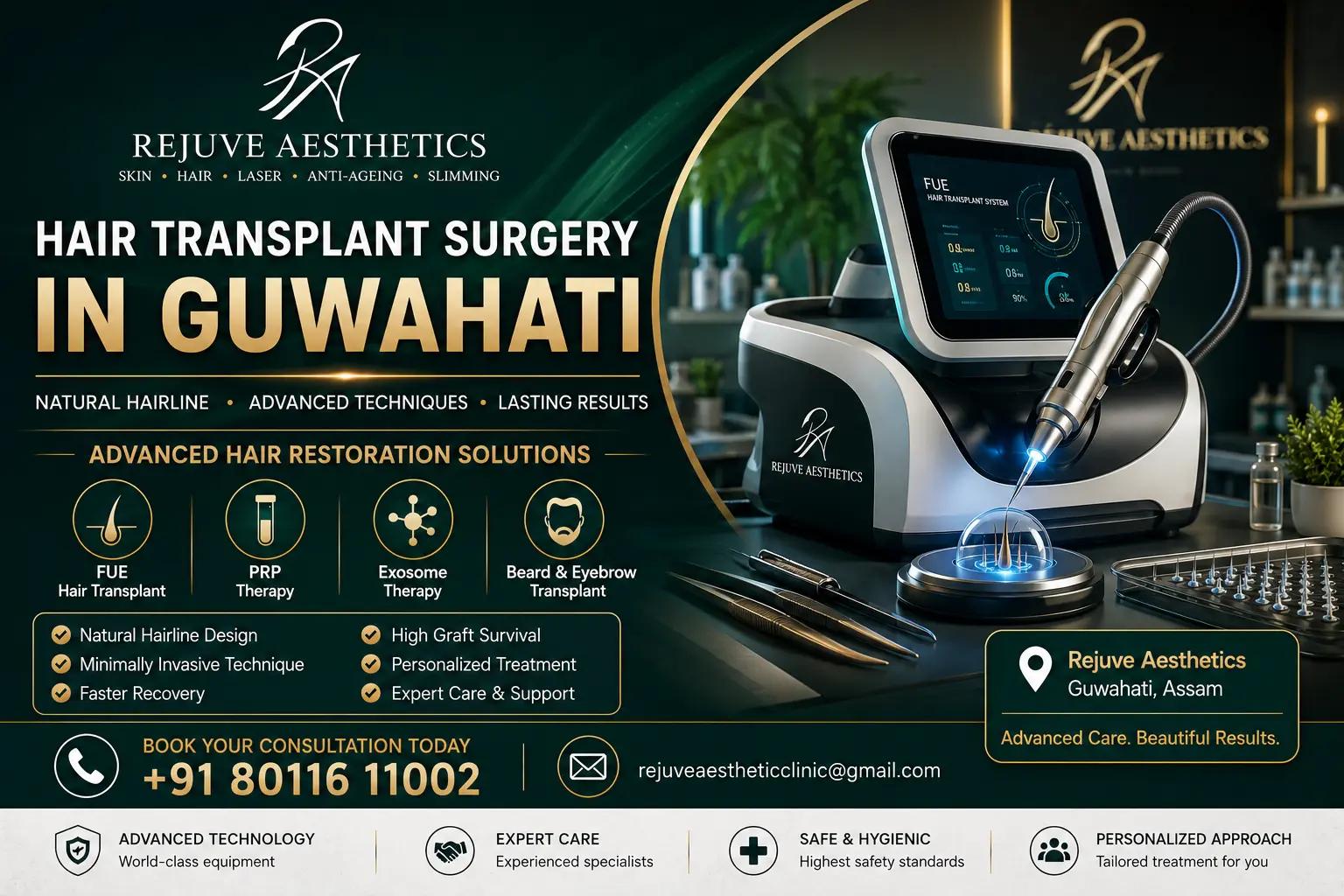
Follicular Unit Extraction involves removing individual follicular units from the donor area using specialised instruments and placing them into the recipient area.
Potential considerations include:
- Individual follicular units are harvested separately.
- Small extraction scars may remain across the donor area.
- The procedure does not usually create the single linear donor scar associated with traditional FUT.
- The amount of donor hair available limits the number of grafts that can be harvested safely.
- Recovery and healing vary according to the extent of the procedure and individual factors.
FUE may be considered for certain patterns of hair loss, but it is not suitable for everyone. The doctor should explain the advantages and limitations of this approach for the individual patient.
2. FUT Hair Transplant
Follicular Unit Transplantation involves removing a strip of skin containing hair follicles from the donor area. The follicular units are then separated and transplanted into the recipient area.
Important considerations include:
- FUT can provide follicular units for transplantation without extracting each unit individually.
- The procedure generally leaves a linear scar in the donor area.
- Healing time and post-operative discomfort vary.
- Suitability depends on donor characteristics, scalp laxity, hairstyle preferences, and treatment goals.
Neither FUE nor FUT is automatically the right choice for every patient. The decision should follow an appropriate medical assessment.
What Other Hair Restoration Options May Be Considered?
Not everyone experiencing hair loss needs surgery. Depending on the diagnosis, a practitioner may discuss non-surgical options or additional procedures.
Medical treatment for hair loss
Certain medicines may help manage specific types of hair loss. Their suitability depends on the diagnosis, medical history, potential side effects, and other individual factors. Treatment should be discussed with a qualified practitioner rather than started without medical guidance.
PRP therapy
Platelet-rich plasma (PRP) is prepared from a sample of the patient's blood and administered to the scalp. It may be considered in selected cases of hair thinning, but evidence and outcomes vary. It should not be presented as a guaranteed alternative to hair transplantation.
GFC therapy
Growth factor concentrate (GFC) is another treatment offered in some hair-restoration settings. The evidence supporting its use depends on the condition being treated and the specific protocol. Ask the practitioner about the available clinical evidence, limitations, and potential risks.
Exosome-based treatments
Exosome-based hair treatments are marketed in some settings, but the evidence, regulatory status, and safety of particular products and uses require careful assessment. Patients should ask what product is being proposed, whether its intended use is appropriately authorised, and what evidence supports the recommendation.
PRP, GFC, and exosome-based treatments should not be assumed to improve transplant graft survival or produce additional growth in every patient.
Beard and eyebrow transplantation
Hair transplantation may also be considered for selected cases involving beard or eyebrow hair loss or sparse growth. These procedures require careful assessment of the cause of hair loss, donor hair, the direction of growth, and the risks associated with the specific treatment area.
How Is a Hair Transplant Plan Prepared?
Treatment planning should be individualised. During an assessment, the practitioner may consider:
- The pattern, duration, and possible cause of hair loss
- Scalp health and any underlying skin conditions
- Donor hair density and quality
- Hair characteristics, including thickness and curl
- Age and the likelihood of future hair loss
- Previous treatments and relevant medical history
- The patient's expectations and preferred hairstyle
The proposed hairline and graft distribution should be discussed before surgery. A realistic plan should account for the limitations of the donor area and the possibility that further hair loss may occur.
The number of grafts required cannot be determined accurately from a general online guide or a photograph alone. It should be estimated after an appropriate clinical assessment.
Is Hair Transplant Surgery Painful or Risky?
Hair transplant surgery is commonly performed using local anaesthesia. Patients may experience discomfort during anaesthetic injections, as well as swelling, tenderness, itching, or temporary numbness during recovery.
As with other surgical procedures, hair transplantation carries risks. These may include:
- Bleeding or infection
- Swelling and discomfort
- Temporary shedding of existing hair
- Scarring or changes in skin sensation
- Poor growth or uneven density
- An unnatural-looking hairline
- The need for further treatment
The likelihood and severity of complications vary. Patients should receive information about the risks, alternatives, recovery process, and arrangements for follow-up care before deciding whether to proceed.
No clinic or practitioner should promise a completely risk-free procedure, a particular density, or a guaranteed result.
How Long Does It Take to See Hair Transplant Results?
Hair growth after transplantation occurs gradually. The timeline differs between individuals and depends on factors such as the procedure, healing, underlying hair-loss condition, and individual hair-growth patterns.
Some transplanted hairs may shed during the early healing period. Visible growth commonly develops over the following months, and assessment of the overall result may take around 9–12 months or longer in some cases.
This is a general guide, not a guaranteed timeline. Your practitioner should explain what to expect and when follow-up assessments are appropriate.
Should Cost Be the Only Factor When Choosing a Procedure?
Cost is an important consideration, but it should be evaluated alongside the medical plan and the services included.
The total cost may depend on:
- The procedure recommended
- The estimated number of grafts
- The complexity of the treatment
- The medical team and facilities involved
- Pre-operative assessment and post-operative follow-up
- Medicines, tests, or other services included in the quoted amount
Ask for a clear explanation of the proposed treatment and its total cost before making a decision. A higher price does not automatically mean a better outcome, and a lower price does not by itself establish that a procedure is unsuitable.
What Should You Ask During a Consultation?
Before deciding on hair transplant surgery in Guwahati, consider asking the practitioner:
- What is the likely cause of my hair loss?
- Am I a suitable candidate for transplantation?
- Why is FUE or FUT being recommended in my case?
- How much donor hair is available, and how should it be preserved?
- What results are realistic for my pattern of hair loss?
- What are the possible complications and alternatives?
- Who will perform the surgical steps?
- What follow-up care will be provided?
- What is included in the total cost?
- How might future hair loss affect the long-term plan?
The answers should be specific to your clinical circumstances and should give you enough information to make an informed decision.
Hair Restoration Services at Rejuve Aesthetics, Guwahati
Rejuve Aesthetics is a clinic in Guwahati. People researching hair restoration can check directly with the clinic for current information about its available services, the procedures offered, the qualifications of the practitioners involved, and its consultation process.
Before proceeding with any treatment, confirm that the proposed procedure is appropriate for your condition and that you understand the expected benefits, limitations, risks, costs, and follow-up arrangements.
Clinic: Rejuve Aesthetics
Address: Gulshan Grand, Supermarket Traffic Point, Dispur, Guwahati, Assam
Website: https://www.rejuveaesthetics.in/
Phone: +91 80116 11002
Conclusion
Hair transplant surgery may be an option for some people experiencing hair loss, but the appropriate treatment depends on an individual's diagnosis, donor hair supply, health, and expectations.
Understanding the differences between FUE and FUT, reviewing non-surgical options carefully, and discussing risks and limitations with a qualified practitioner can help patients make informed decisions.
If you are researching hair restoration in Guwahati, prioritise appropriate medical assessment, transparent communication, practitioner qualifications, and a clear plan for follow-up care over promotional rankings or promises of specific results.
Medical information notice: This article is for general educational purposes and does not replace an individual medical consultation. Treatment decisions should be made with a qualified practitioner after an appropriate assessment.
Rejuve Aesthetics
Medical-grade expertise delivered with a passion for holistic aesthetic wellness and skin health. We are dedicated to providing evidence-based insights and treatments to support skin health and confidence.
Common Questions
1. What is the best hair transplant technique available in Guwahati?
FUE (Follicular Unit Extraction) is currently one of the most preferred hair transplant techniques due to minimal scarring, faster recovery, and natural-looking results.
2. How much does a hair transplant cost in Guwahati?
The cost varies depending on the number of grafts required, the technique used, and the complexity of the procedure. A consultation can provide an accurate estimate.
3. Is hair transplant surgery permanent?
Hair transplant results are generally long-lasting because transplanted follicles are resistant to hair loss. However, ongoing hair care may be recommended.
4. How long does it take to see results after a hair transplant?
Initial growth typically begins within 3–4 months, with significant improvement visible after 6–9 months and full results appearing within 12–18 months.
5. Is FUE hair transplant painful?
Modern FUE procedures are performed under local anesthesia, making the treatment comfortable for most patients with minimal discomfort.