Contents
Advanced Skin Rejuvenation at Rejuve Aesthetics
Skin changes naturally with age. Fine lines, wrinkles, uneven skin tone, pigmentation and reduced skin elasticity are common concerns that may develop over time. With advances in dermatology and aesthetic medicine, several treatment options are available to address these concerns based on an individual's skin condition and goals.
Rejuve Aesthetics in Guwahati provides a setting for individuals interested in learning about skin rejuvenation and aesthetic care. Understanding the available procedures, their potential benefits, limitations and aftercare requirements can help patients make informed decisions about their skin health.
This guide explains common anti-aging treatments, the concerns they may address, and what to consider before undergoing an aesthetic procedure.
What Is Anti-Aging Skin Rejuvenation?
Anti-aging skin rejuvenation refers to treatments and skincare approaches intended to improve the appearance and condition of ageing skin. These treatments may focus on skin texture, hydration, pigmentation, wrinkles, facial volume and skin firmness.
As skin ages, several natural changes can occur, including:
- Reduced collagen and elastin production
- Fine lines and expression wrinkles
- Changes in skin texture and elasticity
- Sunspots and uneven pigmentation
- Loss of facial volume
- Enlarged pores and dull-looking skin
- Changes in skin hydration
Not everyone experiences these changes in the same way. Genetics, sun exposure, lifestyle, skincare habits and underlying health conditions can influence the appearance of the skin.
A consultation with a qualified dermatologist can help determine which concerns require medical assessment and which treatment options may be appropriate.
About Rejuve Aesthetics in Guwahati
Rejuve Aesthetics offers a setting for individuals seeking information about aesthetic procedures and skin rejuvenation services in Guwahati, Assam.
When considering any aesthetic clinic, patients should review the qualifications of the treating medical professional, the suitability of the proposed procedure, the products and devices being used, and the arrangements available for managing complications.
Patients are encouraged to ask questions about expected outcomes, possible side effects, recovery time and the total cost of treatment before making a decision.
Common Anti-Aging Treatments Available in Aesthetic Medicine
Different procedures address different skin concerns. The most appropriate option depends on an individual's skin condition, medical history, treatment goals and professional assessment.
The following sections explain commonly used treatment modalities. Availability at Rejuve Aesthetics should be confirmed directly with the clinic before booking.
1. HIFU (High-Intensity Focused Ultrasound)
HIFU uses focused ultrasound energy to deliver heat to targeted tissue beneath the skin. Depending on the device and treatment settings, it may be used to improve the appearance of mild skin laxity.
Potential treatment areas:
- Jawline and lower face
- Brow area
- Neck
- Selected areas with mild skin laxity
What to know: Results vary according to the device, treatment area and individual factors. Improvements, when they occur, generally develop over time rather than immediately. Some patients may experience discomfort, swelling or temporary tenderness.
A qualified practitioner should assess whether HIFU is appropriate for the individual's concerns.
2. Botulinum Toxin Injections
Botulinum toxin injections temporarily reduce the activity of selected muscles. In aesthetic medicine, they may be used to soften dynamic wrinkles associated with repeated facial movements.
Common treatment areas include:
- Forehead lines
- Frown lines between the eyebrows
- Crow's feet around the eyes
The effects are temporary, and repeat treatment may be considered after an appropriate interval if clinically suitable.
What to know: Possible side effects include bruising, headache, temporary muscle weakness and, in some cases, eyelid or eyebrow drooping. Treatment should be administered by an appropriately qualified medical professional using a suitable product.
3. Dermal Fillers
Dermal fillers are injectable materials used to restore or add volume to selected facial areas and soften certain facial folds. Hyaluronic acid is one material commonly used in these procedures.
Areas that may be assessed for treatment:
- Cheeks
- Nasolabial folds
- Lips
- Jawline
- Selected under-eye areas
What to know: Outcomes depend on the product, injection site and individual anatomy. Swelling, bruising and asymmetry may occur. Rare but serious complications include vascular occlusion, which can damage tissue and, in some circumstances, affect vision.
Some hyaluronic acid fillers can be dissolved with an appropriate enzyme, but this does not guarantee that every complication can be fully reversed.
A careful medical assessment is essential before proceeding.
4. Laser Skin Resurfacing
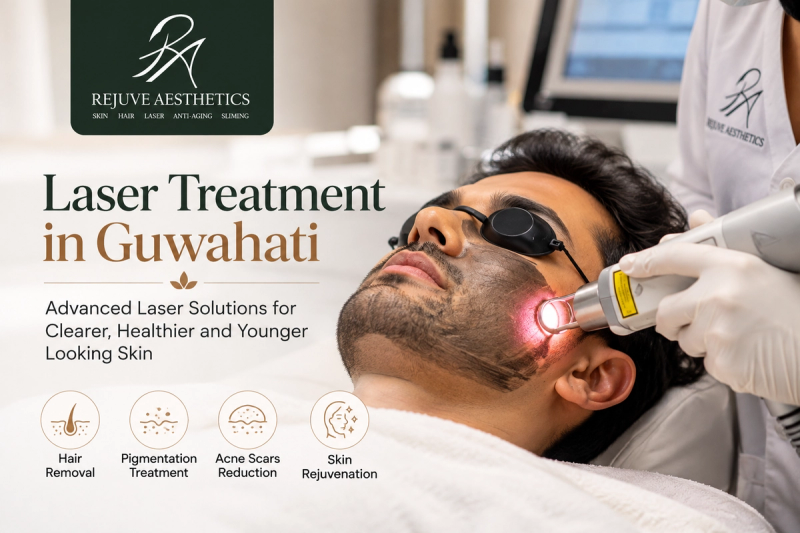
Laser treatments use controlled light energy to address selected skin concerns. Depending on the laser and treatment settings, they may help improve texture, some acne scars, fine lines and certain forms of pigmentation.
Potential concerns addressed:
- Uneven skin texture
- Selected acne scars
- Sun-related skin changes
- Fine lines
- Certain pigmentation concerns
Different lasers work in different ways. Ablative and non-ablative procedures also differ in their recovery requirements and risk profiles.
What to know: Temporary redness, swelling, discomfort and changes in pigmentation may occur. Some procedures require several days or longer for recovery. The risk of post-inflammatory hyperpigmentation is particularly important to discuss for individuals with darker skin tones.
A dermatologist should assess the skin type and condition before recommending a laser procedure.
5. Radiofrequency Skin Tightening
Radiofrequency treatments use energy to heat targeted tissue. Certain devices are used in aesthetic medicine to improve the appearance of skin laxity and stimulate changes in collagen.
Areas that may be considered:
- Face
- Neck
- Selected body areas
The suitability of treatment depends on the device, the degree of skin laxity and the patient's expectations.
What to know: Results are variable and may develop gradually. Temporary redness, swelling or discomfort can occur. Some energy-based procedures carry a risk of burns, scarring or unwanted changes to underlying tissue.
Patients should ask about the specific device, the practitioner's training and the evidence supporting its use for their concern.
6. Chemical Peels
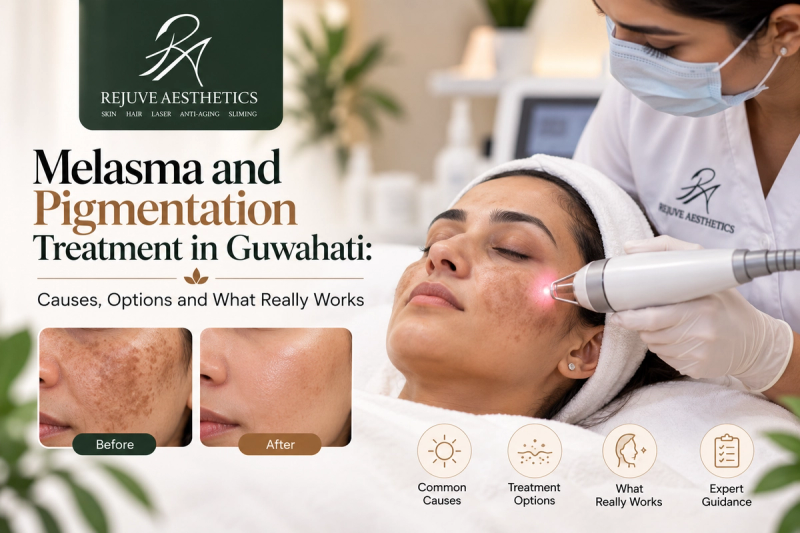
Chemical peels use carefully selected chemical solutions to exfoliate the skin at different depths. They may be used to address selected concerns involving pigmentation, acne, texture and fine lines.
Common peeling agents include glycolic acid, salicylic acid and trichloroacetic acid. The appropriate agent and concentration depend on the patient's skin condition and treatment goals.
Potential benefits may include:
- Improvement in selected pigmentation concerns
- Smoother skin texture
- Management of some forms of acne
- Improvement in the appearance of certain superficial skin changes
What to know: Peels can cause redness, irritation, peeling and sensitivity. Deeper procedures may involve longer recovery periods and greater risks, including scarring or pigmentation changes.
Professional assessment and appropriate aftercare are important, particularly for people prone to pigmentation.
7. PRP Therapy (Platelet-Rich Plasma)
Platelet-rich plasma, or PRP, is prepared from a patient's own blood. A sample is processed to concentrate platelets and is then used in a clinical procedure according to the intended application.
PRP has been explored in aesthetic medicine for selected skin and hair concerns. However, the strength of the evidence varies by indication and treatment protocol.
What to know: PRP is not guaranteed to produce a particular cosmetic result. Temporary pain, swelling, bruising and other procedure-related complications may occur. The equipment, preparation process, sterility and suitability of the procedure should be discussed with the treating practitioner.
8. Mesotherapy and Skin Boosters
Mesotherapy generally refers to injections of selected substances into the skin or superficial tissues. Skin boosters commonly involve injectable products intended to improve skin hydration or selected aspects of skin quality.
These procedures are not interchangeable, and their safety and effectiveness depend on the specific product and indication.
What to know: Patients should ask which substance will be injected, whether it is authorised for the intended use, what evidence supports the procedure and what risks are associated with it. Temporary swelling, bruising, infection and inflammatory reactions are possible.
The phrase “glass skin” describes an aesthetic appearance rather than a guaranteed medical outcome.
9. Facials and Personalised Skincare
Professional facials and skincare routines may complement medical treatment. Depending on the procedure, options can include cleansing, moisturising, selected exfoliation techniques and certain device-based treatments.
A skincare routine may include:
- A gentle cleanser
- A moisturiser suited to the skin type
- Broad-spectrum sunscreen
- Selected active ingredients recommended by a qualified professional
Ingredients such as retinoids may help address certain signs of photoageing, but they are not suitable for everyone. Irritation and increased sensitivity can occur, and some products require special precautions.
Skincare recommendations should reflect the individual's skin condition, allergies, existing medications and other relevant medical factors.
How to Choose an Anti-Aging Treatment
There is no single procedure that is suitable for everyone. A treatment that may be useful for one person can be unnecessary or inappropriate for another.
Before choosing a procedure, consider the following:
1. Identify your primary concern. Determine whether you want advice about wrinkles, pigmentation, texture, skin laxity or another issue.
2. Seek an appropriate medical assessment. A qualified dermatologist or other appropriately trained medical professional can assess your skin and review relevant medical history.
3. Understand the evidence. Ask what benefits are reasonably expected for your specific concern and whether the supporting evidence is strong enough to justify the procedure.
4. Discuss risks and recovery. Find out about side effects, downtime, aftercare and the possibility that the treatment may not achieve your desired result.
5. Verify the treatment provider. Check the treating professional's qualifications, the product or device being used and the clinic's arrangements for managing complications.
6. Consider the cost and alternatives. Ask for a clear explanation of fees, the possible need for repeat sessions and whether a simpler skincare approach may be sufficient.
Common Signs of Skin Ageing
Skin ageing can present differently from person to person. Common concerns include:
- Fine lines around the eyes and mouth
- Forehead lines and expression wrinkles
- Changes in facial volume
- Uneven skin tone and sunspots
- Dullness and rough texture
- Enlarged pores
- Changes in jawline definition
- Reduced skin elasticity
Some concerns that resemble ordinary skin ageing may instead reflect an underlying skin condition. Persistent pigmentation, new or changing lesions, unexplained rashes and other unusual changes should be assessed medically rather than treated solely as cosmetic concerns.
What to Expect During a Skin Rejuvenation Consultation
A consultation helps establish whether a proposed treatment is suitable and what alternatives may be available.
Step 1: Discuss Your Concerns
Explain what you would like to address, when the concern began and whether you have previously tried any treatments or skincare products.
Step 2: Review Your Medical History
The practitioner may ask about allergies, medications, previous procedures, skin sensitivity and relevant health conditions.
Step 3: Assess the Skin
The practitioner examines the relevant area and determines whether additional evaluation is needed before a procedure is considered.
Step 4: Review Treatment Options
Suitable options, their potential benefits, limitations, risks and approximate costs should be explained. Patients should have the opportunity to ask questions before providing informed consent.
Step 5: Discuss Aftercare and Follow-Up
If treatment is appropriate, the practitioner should explain preparation, recovery, warning signs and the recommended follow-up arrangements.
Patients should never feel pressured to proceed with a procedure during the consultation.
Skin Rejuvenation and Sun Protection
Daily skincare can support skin health and help reduce some forms of sun-related skin damage. Although skincare cannot stop the natural ageing process, consistent habits can help maintain the skin barrier and reduce avoidable exposure to ultraviolet radiation.
Helpful practices include:
- Applying broad-spectrum sunscreen with SPF 30 or higher.
- Reapplying sunscreen as directed, especially after sweating or swimming.
- Using protective clothing and seeking shade when appropriate.
- Avoiding smoking.
- Maintaining a balanced diet and adequate sleep.
- Choosing skincare products suited to your skin type.
- Seeking medical advice before starting irritating or prescription-strength products.
Patients undergoing procedures such as chemical peels or laser treatments should follow their practitioner's specific sun-protection and aftercare instructions.
Before proceeding with a treatment, discuss your concerns with an appropriately qualified medical professional and ask about the procedure's suitability, evidence, potential complications, expected recovery and cost.
Make an informed decision about your skin care by understanding your options and choosing treatment based on your individual needs.
Medical information notice: This article is for general educational purposes and is not a substitute for personalised medical advice, diagnosis or treatment. Procedures should be considered only after an appropriate professional assessment.
Rejuve Aesthetics
Medical-grade expertise delivered with a passion for holistic aesthetic wellness and skin health. We are dedicated to providing evidence-based insights and treatments to support skin health and confidence.
Common Questions
Which anti-aging treatments are available in Guwahati?
Options used in aesthetic medicine include botulinum toxin injections, dermal fillers, HIFU, radiofrequency treatments, laser procedures, chemical peels and selected injectable treatments. Availability and suitability vary by clinic and patient. Contact Rejuve Aesthetics to confirm which services are currently offered. +91 80116 11002
Which treatment is suitable for wrinkles?
The appropriate option depends on the type of wrinkles, skin condition and medical history. Dynamic wrinkles, changes in skin texture and volume loss may require different approaches. A qualified practitioner can explain the available options after an assessment.
Are non-surgical anti-aging treatments risk-free?
No. Non-surgical procedures can still cause side effects and complications. Risks vary according to the treatment, product, device, practitioner and patient.
How long do anti-aging treatment results last?
There is no universal timeframe. Results depend on the procedure, the product used, individual characteristics and subsequent skin care. Some treatments have temporary effects, while others may produce gradual changes. A practitioner should explain realistic expectations for the specific procedure.
Is laser treatment suitable for every skin type?
Not necessarily. Suitability depends on the laser, the condition being treated and the individual's skin characteristics. Some people have a higher risk of pigmentation changes or other complications. Assessment by a qualified practitioner is important.
How can I choose an aesthetic clinic in Guwahati?
Review the medical professional's qualifications, the clinic's facilities, the specific treatment being offered, its risks and expected outcomes, and the arrangements for follow-up care. Ask for clear information before deciding whether to proceed.
Does everyone need anti-aging treatment?
No. Aesthetic procedures are optional. Basic skincare, sun protection and medical evaluation of specific concerns may be sufficient for many people. The decision to undergo treatment should be based on individual preferences, appropriate clinical advice and a clear understanding of the risks.